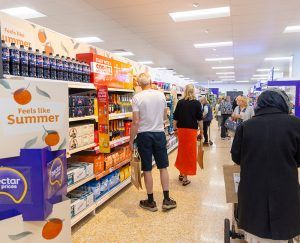

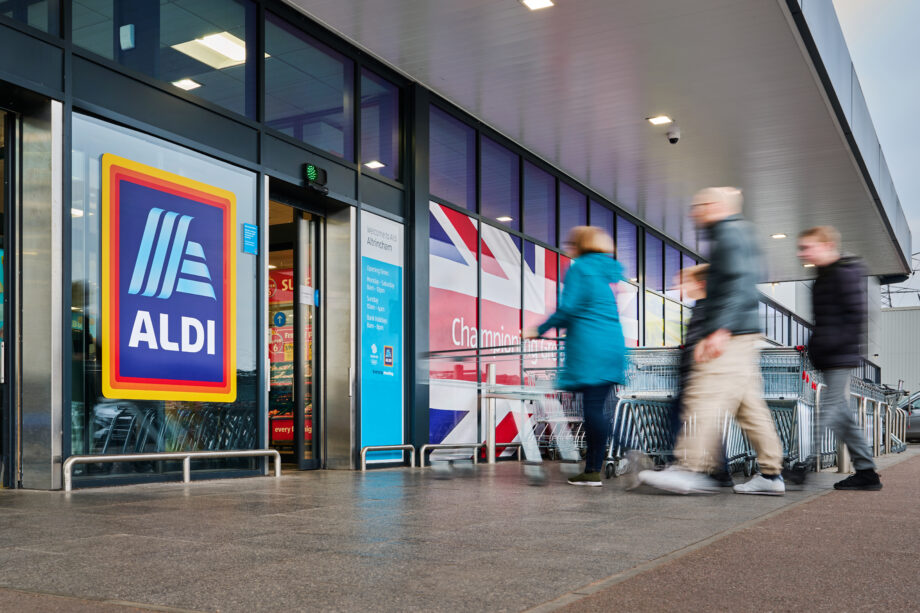
Aldi remains the UK's cheapest supermarket for the tenth consecutive month, according to an analysis conducted by British consumer group Which?, which compared the prices of a basket of 92 food and everyday items sold by major retailers in August 2026. The average price of the selected items was £159,36 at Aldi stores, a result that once again put the discounter ahead of Lidl, which came in second at £161,10, a difference of just £1,74.
The gap widens significantly compared to traditional retailers, considering that at Asda the same basket cost £185,21, while Sainsbury's, including discounts for loyalty card holders, reached £185,55, £26,19 more than Aldi. Even applying promotions linked to its loyalty program, Tesco recorded a total price of £189,45, £30,09 more than the discounter, while without loyalty discounts the value rose to £192,97. Morrisons ranked slightly higher, with an average spend of £194,11 and a difference of £34,75 compared to Aldi, while the basket purchased at Sainsbury's without discounts reached £195,33.
At the most expensive end of the ranking are Ocado, with an average price of £207,62, and Waitrose, where the same 92 products would have cost £223,75. The gap between Aldi and Waitrose thus reached £64,39, with the cost of groceries at the most expensive retailer being more than 40% higher than those at the discounter's stores.
The August result allows Aldi to continue a lead it began in November 2025 and maintained uninterrupted for ten months, including the first eight months of 2026. The chain also concluded 2025 by being named the cheapest supermarket of the year by Which? and was recently named "Best Value Brand of the Year" by the same organization for its ability to combine quality and affordable prices. The continuity of these results is particularly important at a time when British families continue to pay close attention to the cost of groceries and seek to contain daily expenses without sacrificing product quality.
According to Julie Ashfield, commercial director of Aldi UK, the tenth consecutive award reflects the brand's commitment to ensuring a consistent level of convenience every time customers shop. She also noted that the start of the new school year can put additional pressure on family budgets, making it even more important to keep food prices affordable and help consumers make better use of available resources.
The August rankings thus confirm the fierce competition between Aldi and Lidl, separated by less than two pounds on the basket examined, but simultaneously reveal a much wider gap compared to the main traditional chains. The comparison conducted by Which? therefore highlights how the discount format continues to maintain a significant price advantage in the British market, especially when the analysis involves a relatively large amount of products purchased regularly by families.