

The Brazilian vegetable oil industry is preparing investments of 7,65 billion reais, equivalent to approximately 1,28 billion euros, over the next twelve months. The resources will be allocated to expanding processing capacity and building new plants, amidst a growth spurt driven by demand for soy-based products.
According to data from the Brazilian Association of Vegetable Oil Industries (Abiove), reported by ICE São Paulo, the planned projects could add 7,4 million tons annually to the sector's capacity and create 13.400 jobs. This program strengthens the role of industrial transformation in Brazil's agri-food supply chain, combining agricultural development with greater availability of oilseed processing facilities.
In 2026, total capacity reached 86,4 million tons, a 13,1% increase compared to 2025. If the announced investments are fully realized, processing potential could reach 93,8 million tons annually. This represents available industrial capacity; actual processed volumes will depend on plant activity and demand trends.
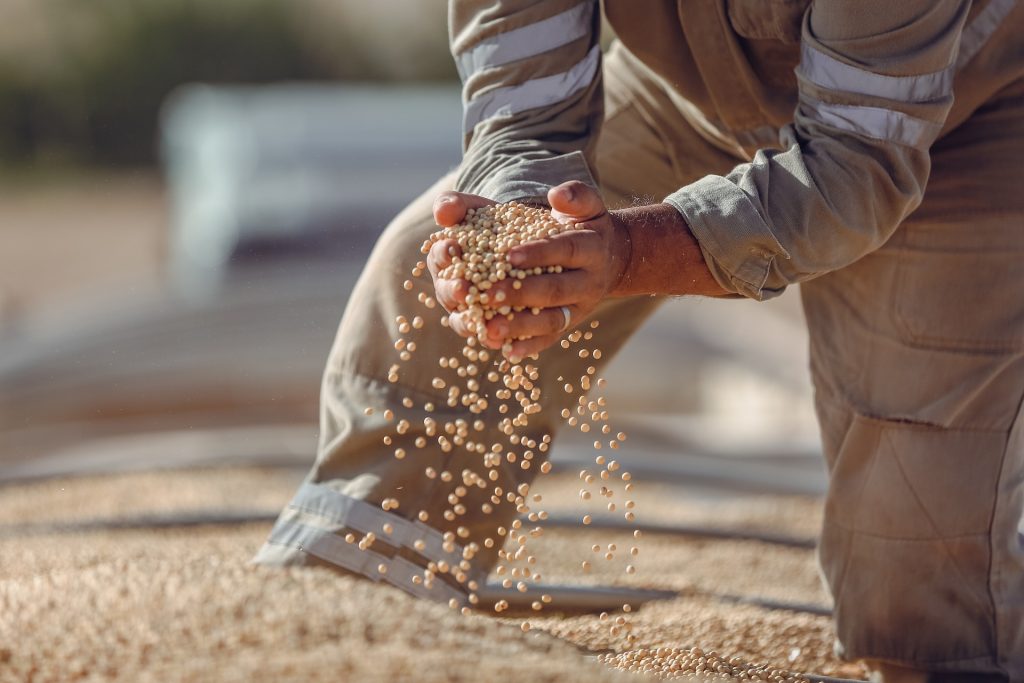
Two markets are driving this expansion: soybean oil for biodiesel production and soybean meal, which is in demand both domestically and abroad. Processing the raw material thus feeds different supply chains, connecting agricultural production to energy uses and the demand for animal feed ingredients.
The increase in capacity is accompanied by a growth in the number of active plants, which has risen to 148. The geographical distribution confirms the central role of the country's main agricultural areas: the Center-West concentrates 42,9% of the national capacity, while the state of Mato Grosso alone represents 21,6%. This area therefore accounts for over a fifth of Brazil's oilseed processing potential.
A key factor for the sector's prospects remains the development of biodiesel. According to the statement, Brazil aims to gradually increase the blended share of diesel, currently at 15%, while testing for B20, a blend containing 20% biodiesel, is planned for February 2027.
The proposed path could further support demand for soybean oil, but the B20 pilot represents a distinct phase from its eventual introduction. For businesses, the planned investments therefore reflect the growth already recorded and the prospects of a market in which agri-food processing, exports, and biofuel production are increasingly intertwined.