Over €10,5 million worth of products close to their expiration date recovered through promotional initiatives, nearly 539 kilos of surplus food donated, and an approximately 8% reduction in direct emissions and those related to purchased energy. These are some of the findings of the 2025 Sustainability Report presented by the Finiper Canova Group, which closed the year with a turnover exceeding €3 billion. The report, now in its second edition, introduces a comparison with 2024 data and covers large-scale retail trade, food service, real estate, and services.
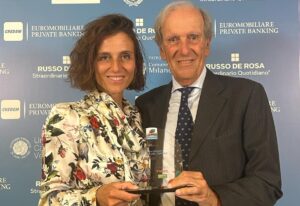
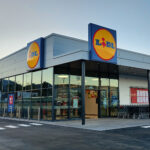
The scope includes the Iper La grande i, Unes, and Viaggiator Goloso brands, along with restaurant businesses and retail outlets such as IL CENTRO in Arese and Piazza Portello in Milan. Data collection has been centralized through an IT platform, while the ESG Committee coordinates the corporate functions involved. "For the first time, we are comparing the 2025 results with those of the previous year, making our performance and the initiatives undertaken more easily understandable," explains Michela Riva, the group's ESG manager.
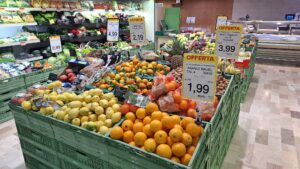
The fight against food waste is a key focus of the report. The collaboration with Too Good To Go saved 172.853 meals, a 101% increase compared to 2024, while the Gusto in Tempo and Last Minute initiatives helped recover over €10,5 million worth of products nearing their expiration date. Through Regusto, Iper La grande i also donated 538.558 kilos of surplus food, a 30% increase, equivalent to over a million meals, with donations tracked via blockchain.
In terms of quality, annual analyses of internal production increased from 3.211 to 3.501, while own-brand products dedicated to specific dietary needs increased from 31 to 39. The educational project "Every taste is the right one," aimed at primary schools in Lombardy and Piedmont, involved 24.550 students and young people, reaching 707 schools and 982 classes with materials on dietary inclusion.
For the first time, an entire chapter is dedicated to the supply chain. Ninety-eight percent of private label suppliers hold at least one food safety certification, and 85% sell between one and three products, following a model geared toward producer specialization. In 2025, an engagement program on ESG issues was launched with approximately 200 Viaggiator Goloso suppliers, supported by a pilot study on the life cycle of five products in the coffee, fresh pasta, and piadina categories.
Over 108 hours of training were provided to staff, involving 6.640 employees, or 63% of the workforce. The female presence in managerial roles reached 30%, and 74 young people under 35 assumed positions of responsibility within their first three years with the company. The School of Crafts trained 1.910 employees in the countertop departments, while the Crafts in Growth program placed 51 young people in positions of responsibility.
There were 184 initiatives benefiting local communities, with over €3,2 million donated through the sale of goods. These included €250 allocated to the Morandi Foundation for two family rooms at the pediatric palliative care center in Monza and the collection of 178,5 tons of food for the Food Bank.
In terms of environmental protection, emissions reductions focus on Scope 1 and 2, with the latter calculated using the location-based method. The share of electric or hybrid vehicles in the company fleet has increased from 20% to 27%. The use of digital receipts is also growing: at Iper La Grande, they accounted for 24% of the total, avoiding an estimated 500 kilometers of paper, while Unes saved over 900 paper receipts in the first year of the service's implementation.