
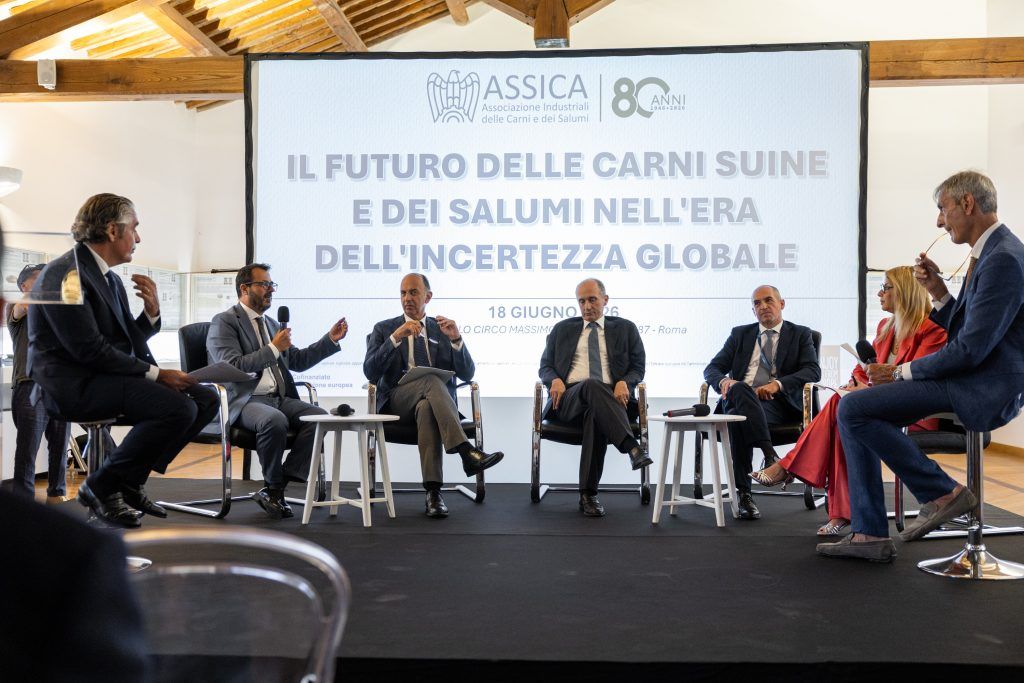
Eighty years of history and a market that continues to represent one of the spearheads of the national agri-food sector. The annual assembly of Assica, the Italian Meat and Cured Meats Industry Association, celebrated the organization's 80th anniversary in Rome, transforming the occasion into an opportunity to review the sector's health and the future prospects of one of the most important sectors of Made in Italy food.
The discussion focused primarily on market figures. Today, the Italian cured meats sector generates a production value exceeding €9.65 billion and exports worth over €2,5 billion, with a consolidated presence in 136 countries. This result demonstrates the constant growth of the supply chain and the ability of Italian companies to establish themselves on international markets despite an increasingly complex global landscape.
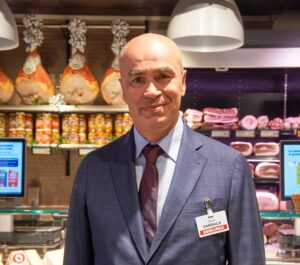
Assica President Lorenzo Beretta noted that export trends represent one of the most significant indicators of the sector's development. In the 1950s, exports of Italian cured meats were worth approximately 2 billion lire, while today they exceed 2,5 billion euros, confirming the strategic role of domestic production in the Made in Italy agri-food sector.
Growth has been achieved through the progressive opening of new markets and the overcoming of numerous technical, health, and regulatory barriers. According to Assica, this ability to work collaboratively has allowed Italian companies to gain increasingly significant market shares abroad, leveraging quality, tradition, and food safety.
To support this evolution, the association has launched the Assica Observatory, developed in collaboration with partners such as The European House – Ambrosetti and Nielsen IQ. The tool aims to collect and share market data, monitor changes in purchasing behavior, and identify new development opportunities for the sector.
Alongside these opportunities, however, there are also critical issues. Among the main factors cited by operators are the spread of African Swine Fever, rising energy costs, and the continuing uncertainties surrounding international trade. These issues directly impact companies' competitiveness and their ability to maintain open foreign trade channels.
During the meeting, Agriculture Minister Francesco Lollobrigida also delivered a video message, noting that the government has allocated over €16,8 billion to the sector through the Masaf (Ministry of Agricultural Development) program to support production chains, foster business competitiveness, and improve logistics and energy infrastructure.
Particular attention was also given to the prospects for international trade. During the institutional roundtable, it was highlighted that the US market continues to represent a key outlet for Italian products, while trade agreements such as the one with Mercosur could open up further opportunities for exporting companies.
Confirming the importance of the agri-food sector in the national economy, Federico Eichberg, Chief of Staff of the Ministry of Business and Made in Italy, noted that in 2024, Italian exports totaled 632 billion euros, with the agri-food sector contributing 72 billion euros.
On the investment front, the Transition 5.0 program was also mentioned, which provides €9,8 billion to support the digitalization and energy efficiency of businesses. These tools can help strengthen the competitiveness of companies in the meat and cured meats supply chain on international markets.
The discussion also highlighted the economic value of certified products. Italian geographical indications, including PDO and PGI, generate an estimated value of approximately €20 billion and represent one of the main tools for promoting Italy's excellent agri-food products worldwide.
Health safety and the management of African Swine Fever remain key issues for the sector. Protecting the health status of Italian products is considered crucial to maintaining the trust of trading partners and ensuring continued exports.
The assembly celebrated Assica's eightieth anniversary, but more importantly, it outlined the path of a sector that continues to grow thanks to exports and its ability to dominate international markets. With production exceeding €9,6 billion, exports exceeding €2,5 billion, and a presence in 136 countries, the cured meats sector remains one of the most solid and recognized expressions of Made in Italy agri-food.