


UK retail sales grew 1,3% year-on-year in September 2026, slowing from 2,3% in the same month in 2025 and below the 1,5% average for the past twelve months. This is according to data released by the British Retail Consortium (BRC) and KPMG for the five weeks from August 30 to October 3, which highlight continued weak demand and British households' growing focus on managing their spending.
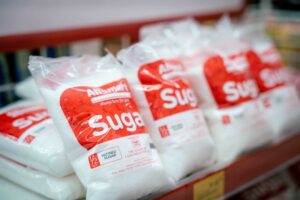
The food sector recorded a 2,5% increase in sales, compared to 4,3% in September 2025 and an annual average of 3,1%. Growth in non-food sales was even more modest, at 0,3%, compared to 0,7% the previous year. In brick-and-mortar stores, non-food sales increased by 0,1%, while e-commerce grew by 0,7%, below the annual average of 1,3%. The share of non-food purchases made online nevertheless rose to 38,3%, compared to 37,9% a year earlier.
According to Helen Dickinson, CEO of the British Retail Consortium, the weak consumer spending reflects household concerns about expected increases in utility bills and taxes. However, some categories showed positive signs, particularly health and beauty, which recorded its best performance of the year, and toys, also supported by the launch of products dedicated to Pokémon's thirtieth anniversary. Clothing and footwear fared more poorly this month, penalized by unusually high temperatures, while back-to-school purchases supported some sales.
Dickinson also drew the UK government's attention to the risks of further cost increases for commercial businesses, highlighting how a further increase in commercial property taxes could lead to increased price pressures, lower investment and negative consequences for employment.
Linda Ellett, Head of Consumer, Retail & Leisure at KPMG in the UK, highlighted how consumers have become increasingly selective, favoring certain categories and postponing other purchases. In the run-up to Black Friday and the final quarter of the year, retailers will therefore have to contend with a strong focus on convenience, seeking to sustain sales without compromising margins.
Sarah Bradbury, CEO of IGD, also highlighted the deterioration in consumer confidence, impacted by rising fuel prices, the prospect of energy price increases, and the possibility of new taxes. For the food sector, Halloween could offer temporary support to impulse purchases, but operators' attention remains focused on the government's upcoming budget decisions and the potential consequences for household purchasing power and consumption trends in 2027.