

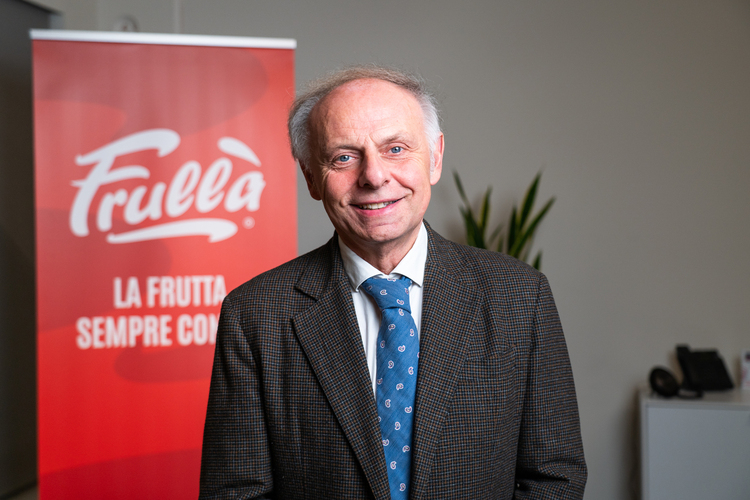
With the publication of its first 2023–2024 Sustainability Report, Futura SpA, founded in 2022 and formerly Natura Nuova, makes its responsible development journey measurable, grounded in the environment, people, and local communities. The Romagna-based company, owner of the Frullà and Compagnia Italiana brands and licensee of Almaverde Bio, captures a two-year period characterized by concrete results and growing indicators.
On the environmental front, the Bagnacavallo plant reduced energy consumption by 5% and water consumption by 6% in 2024. By-products destined for local biodigesters reached 633 tons (+2%), strengthening the circular economy model. Packaging is also important: the conversion of doypacks to recyclable monomaterial has been completed, and 86% of packaging is made of recycled cardboard.
The Report highlights the launch of LCA analyses, which identify energy, methane, and water as the primary impact areas. Between 2023 and 2024, a progressive improvement was observed: electricity -3% and methane -4%. In 2025, the company also signed "green" electricity and gas supply contracts and is evaluating the expansion of its existing photovoltaic system. Water consumption decreased from 23.000 to 21.718 cubic meters thanks to improved production efficiency.
Human capital is key: average training hours per employee increased by 189%, from 3,26 to 9,44 hours. Women, who represent 63% of the 81 employees, received an average of 10,04 hours. The employment balance is positive (+25), and parental leave use is also significant, with 302 days taken overall.
In terms of logistics, in 2024, Futura handled 3,48 million units and processed approximately 20.000 tons of fruit. Shipments, 10.604 in total, were optimized by 3%, reducing transportation costs. Lombardy, Emilia-Romagna, and Piedmont remain the main areas served.
The company's social commitment is also strong: over 400.000 packages donated to the Food Bank, participation in the "Zero Waste" campaign, and support for local sporting events. The company's BRCGS, IFS, Organic, Fairtrade, and Kosher certifications complete the picture, while its governance includes the adoption of Model 231, a Code of Ethics, and a whistleblowing system. This report confirms sustainability as a structural driver of growth.