


Cocoa will continue to dominate Mondelēz's strategy in 2026, but with an unexpected variable: declining prices after the record highs of late 2024 and the uncertainty of competitive reactions to pricing. After closing 2025 with organic growth of 4,3%, supported by average price increases of 8% and a general decline in volume/mix across various geographies, the group now finds itself managing a more complex phase. Cocoa prices, which fell from highs above $12.000 per ton to approximately $4.281, have not been fully incorporated into 2026 hedging, creating a potentially volatile scenario on the shelves.
CEO Dirk Van de Put openly spoke of possible "unexpected competitive reactions," as many operators are hedged at levels prior to the decline at the start of the year. "We want to maintain flexibility in our guidance because we don't know how the market will evolve," he explained, adding that the chocolate business could see a significant margin recovery in 2027.
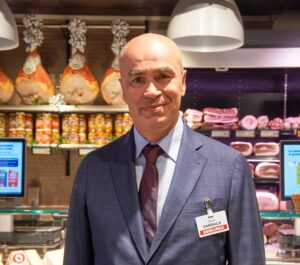
CFO and COO Luca Zaramella clarified that, at current levels, no further increase in cocoa prices is expected, but noted that 2025 profits have been significantly impacted and that prices should remain substantially in line with last year's. For 2026, guidance indicates organic growth between flat and +2%, well below the long-term growth rate (3-5%), marking the fiscal year as a transition year.
Analysts, including Stifel and TD Cowen, describe the outlook as "cautious," speculating that the true benefit of the cocoa cost reset may only emerge in 2027. According to management, a level around $3.000 per ton would represent a normalization more consistent with structural supply and demand dynamics. In this context, the group plans to support volumes and market share through targeted reinvestments in brands and selective price interventions in key segments.
In the United States, the biscuit category remains weak, with value-oriented consumers and average baskets stagnating for two or three years. Interest in premium and better-for-you snacks, particularly those with high protein content, is growing. In Europe, chocolate growth is expected to remain stable after significant price increases, but with potential tensions in trade negotiations at the start of the year.
Management also downplayed the near-term impact of GLP-1 weight-loss drugs, estimating a potential impact on overall volumes of between 0,5% and 1,5% only in a scenario of high long-term adoption. In short, Mondelēz is preparing to navigate a challenging 2026, amidst pressured consumers, competitive pricing dynamics, and macroeconomic uncertainty, aiming to preserve share and margins today and return to above-average growth as early as 2027.