

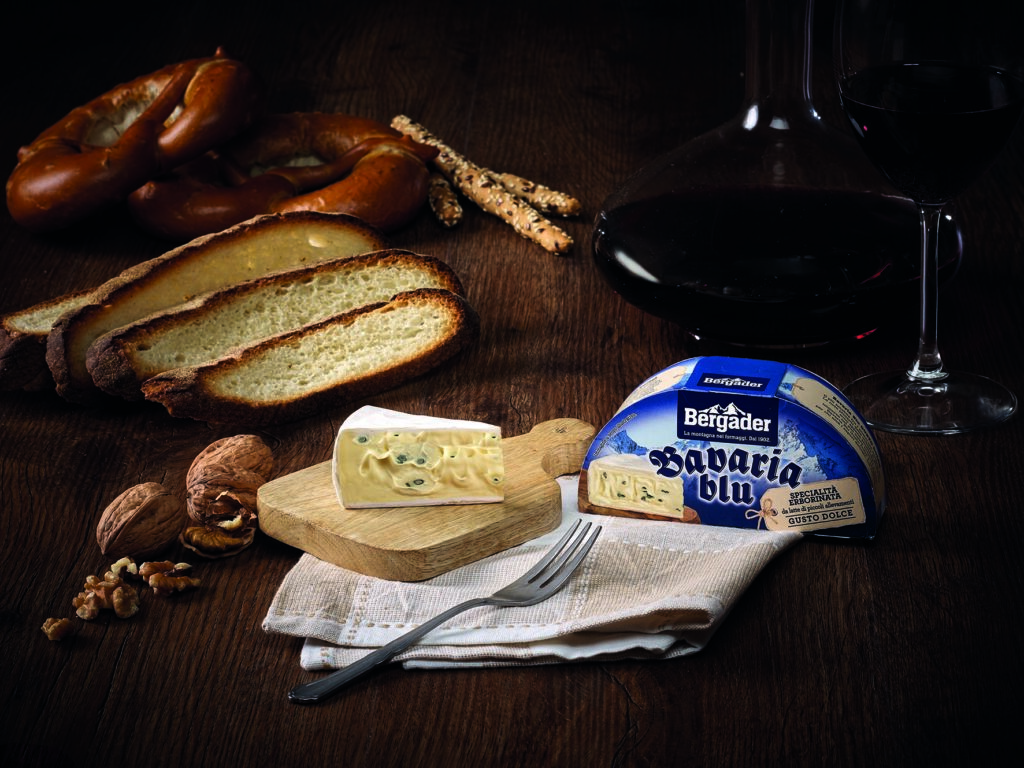
Blue cheeses are seeking new consumers, and to win them over, product quality may not be enough: helping those at the cheese counter understand what flavor to expect and how to bring it to the table is crucial. This is the view of Bergader, a dairy company specializing in blue and soft cheeses, which sees greater clarity in its offerings as a lever to broaden the category's reach.
"Today, the issue isn't so much price as understanding the category," observes Diego Farinazzo, marketing director of Bergader Italia. Among the different references, origins, and types, he explains, consumers tend to choose cheeses they already know. "The real challenge is guiding them through this discovery, helping them understand that the world of blue cheeses is much richer and more diverse than they often imagine."
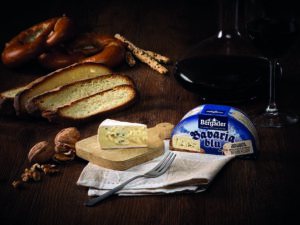
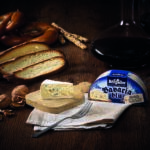
The company's offering also includes Bavaria Blu, a cheese produced in the Bavarian Prealps with 100% Bavarian milk sourced from a local supply chain. Its distinctive feature is the presence of two noble molds: the edible white mold on the rind and the blue mold in the veins. Bergader focuses on its creamy profile and balanced blue-veined flavor to appeal to those who, until now, have avoided this cheese because it is associated with overly intense flavors.
For Farinazzo, another crucial step is demonstrating that blue cheese can be incorporated into everyday cooking. "We don't want to appeal only to connoisseurs. Our goal is to make a cheese like Bavaria Blu a staple in everyday life, not just for tasting." The company offers it as an ingredient in pasta, risotto, and burgers, or to be enjoyed with a slice of warm bread: concrete examples that, according to the manager, help to understand its versatility and value.
Large-scale retail trade plays a key role in this process. Clearer shelf layouts, product information, and suggestions related to consumption occasions can make the cheese counter easier to navigate. This, according to Bergader, is where curiosity about an unfamiliar specialty can turn into a purchasing decision.
The company approaches this challenge after closing 2025 with a global turnover of €330 million and a production of approximately 36 tons of cheese. Italy remains one of its key international markets. "Today, premium doesn't mean exclusivity, but authenticity, quality, and the ability to create a distinctive experience," concludes Farinazzo, pointing to collaboration with retailers as the way to bring blue cheeses to a wider audience.