

Granoro is focusing on sustainability, energy efficiency, and digitalization with an investment plan exceeding €18 million by 2028, outlining a path of industrial evolution that combines technological innovation, self-generation of energy, and collaboration with the academic world. In recent years, the pasta factory has initiated a structural renewal process that, from 2022 to today, has already led to investments of over €8 million. These investments are earmarked for modernizing production facilities, digital process control, and the development of solutions aimed at optimizing energy consumption. The goal is to make the industrial model increasingly sustainable, efficient, and transparent.
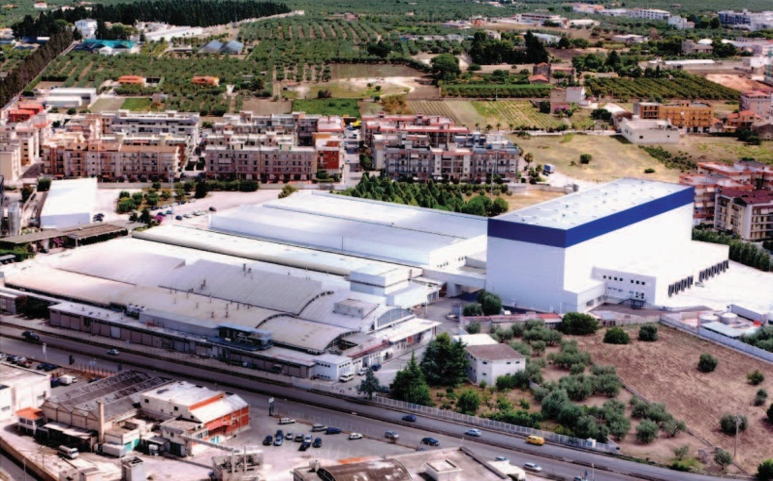
One of the cornerstones of the plan is self-generation of energy, with the imminent commissioning of a 1,1 MW photovoltaic system installed on the factory's roof. This will allow the company to cover between 15% and 20% of its annual electricity needs with renewable energy, reducing reliance on the national grid and, consequently, the use of fossil fuels. The photovoltaic system will be integrated with an already operational trigeneration plant, capable of simultaneously producing electricity, heating, and cooling, bringing the share of energy needs covered by self-generation up to 85%, while the remainder will be offset by the purchase of energy certified from renewable sources.
"The benefits are tangible and measurable," explains Roberto Leo, the plant manager, "because we reduce the energy drawn from the grid, lower gas consumption for boilers, shut down traditional refrigeration systems, and significantly reduce atmospheric emissions." Alongside the energy improvements, Granoro has invested in the digitalization of the entire production area, introducing a next-generation Manufacturing Execution System (MES), selected among the most advanced solutions internationally.
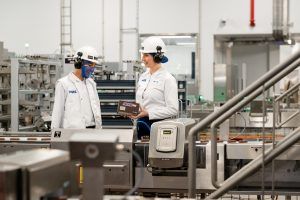
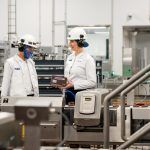
The system enables real-time monitoring of production and packaging lines, collecting detailed data on machine performance and consumption. This helps improve planning, optimize production flows, and reduce both product and packaging waste, positioning the company among the most advanced in the industry, both internationally and internationally. On the industrial front, the plan also included the introduction of new, technologically advanced machinery worth over €3 million and the strengthening of the plant's digital infrastructure, adopting next-generation servers and updating IT systems to support data security and business continuity.
The growing availability of data has also paved the way for applied research projects developed in collaboration with the University of Bari, with a focus on technical physics and process engineering. The goal is to scientifically analyze the collected information and identify further areas for improvement. Among the areas studied are the pasta drying phases, considered strategic for energy efficiency and final product quality. This process aims to move beyond empirical approaches in favor of models based on simulations and structured data.
"Structured data collection allows us to move from an empirical to a scientific approach," Leo concludes, "and through collaboration with the university, we want to develop innovative solutions to be tested in a controlled environment and transferred to production only when they guarantee concrete benefits in terms of reducing waste, consumption, and emissions."