


According to a study by Kantar, French consumers visit an average of nine different brands to do their shopping, while still keeping one or two chains as their main point of reference. This increasingly fragmented behavior, combined with stagnant consumer spending, is making it difficult – if not impossible – for supermarkets to attract new customers.
Competition is therefore played on loyalty and strengthening one's value proposition. Several factors are pushing towards this change in strategy, including the Descrozaille law, which for a year has limited promotions: maximum 34% discount in value and 25% in volume for beauty products. The decline in sales of fast-moving consumer goods (FMCG) and the progressive abandonment of traditional promotional flyers are also forcing retailers to innovate.
“We need to find new ways to motivate consumers, making them feel an increase in purchasing power and relaunching communications on the benefits of loyalty,” said Gaëlle le Floch, insight director at Kantar Worldpanel.
In 2024, acquisitions and brand changes have given French retailers the opportunity to retain existing customers. However, loyalty performance varies greatly from brand to brand. Independent brands such as E.Leclerc, Coopérative U and Intermarché have the highest loyalty rates.
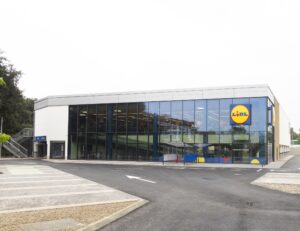
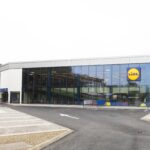
For example, 29,1% of Leclerc customers allocate at least 70% of their FMCG spending to the brand. Lidl stops at 4,8%, despite recording a strong presence among occasional customers. Leclerc and Carrefour are among the best-rated brands, while others show less convincing performances.