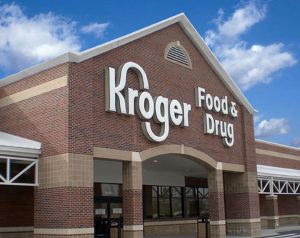



Kroger is radically reorganizing its e-commerce infrastructure and announcing the closure of three Ocado-powered Customer Fulfillment Centers in Florida, Wisconsin, and Maryland. The decision—which came after an internal strategic review—represents one of the most significant rethinks in recent years regarding "capex-heavy" automation applied to the US grocery industry.
Ocado will receive 250 million dollars (approximately €216 million) as compensation for the early plant closures, according to a Bernstein statement. For Kroger, however, the impact is much more significant: the group estimates charges and write-downs of $2,6 billion in the third quarter of fiscal year 2025, attributable both to closures and to the fact that the fulfillment network did not meet economic and financial expectations.
The company has clarified that it will continue to use automated CFCs only in areas where demand is sufficiently dense to support the model. This acknowledgement, according to several analysts, of the limitations of a centralized, capital-intensive system when applied to a fragmented and geographically dispersed market like the US.
At the same time, Kroger is accelerating towards a lighter and more flexible model: it is expanding its collaboration with Instacart, which becomes the primary delivery provider on the Kroger.com ecosystem and the brand's app. Integration with Instacart's AI assistant is also planned. Cart Assistant, for a faster and more personalized experience.
Partnerships are also strengthened with Doordash – to increase deliveries via Marketplace – and with Uber Eats, with which a new service will be active from 2026 that combines grocery delivery and orders from local restaurants.
"E-commerce remains a key lever for delivering value, selection, and flexibility," said CEO Ron Sargent. "We're making bold decisions to simplify shopping, accelerate delivery times, and expand options—and we expect profitable growth from these decisions."
The market, however, also sees the move as a blow to Ocado. Bernstein highlights that Kroger is shifting its focus to partnerships and lighter automation, while Shore Capital calls the news "another dire sign" for the Ocado model, confirming what analysts point out "Morrisons, Waitrose, and others had already figured out: centralized fulfillment automation doesn't work economically in a mass-market, dispersed marketplace."