


Nestlé is investing £28 million in its Dalston factory in Cumbria, strengthening its industrial strategy and the UK's role within its global manufacturing network. The facility, operating since 1962 and recognized as a Global Center of Excellence for Nescafé Frothy Coffee products, will undergo a major modernization project focusing on efficiency, sustainability, and production capacity.
The project involves the construction of a new, state-of-the-art mixing plant and the installation of two high-tech packaging lines. The new mixing plant alone represents an investment of £17,5 million. It will occupy a four-story building and will feature state-of-the-art equipment to improve the quality and precision of recipes. By handling ingredients in larger bags, manual lifting will be reduced by 80%, increasing process safety and accuracy.
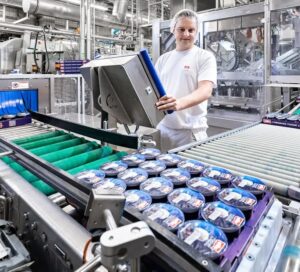
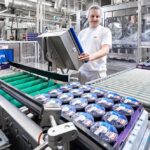
Alongside this investment, Nestlé will invest £10,7 million in replacing its existing packaging lines. One of the new lines will be capable of producing up to 60.000 frothy coffee sachets per hour, ensuring smoother and more continuous flows. The lines will also be compatible with new materials, such as recyclable MONO PP, contributing to the group's sustainability goals.
“We are very proud of our British manufacturing,” said Richard Watson, CEO of Nestlé UK & Ireland, “and this investment reflects the hard work our teams are doing to establish the UK as a hub for skills and innovation.”
The local community also expressed satisfaction: Markus Campbell-Savours, MP for Penrith and Solway, called the project "an important signal for the region's high-tech manufacturing industry." For Ian Pipes, the plant's Factory Manager, the investment "represents a decisive step towards a more modern, sustainable factory capable of supporting the team's work."
The Dalston site produces 25 million sachets of Nescafé Cappuccino, Latte, and Frothy Coffee every week, as well as Coffee Mate products and the Starbucks Latte range. The Cumbria location historically reflects the company's proximity to local dairy farms, which supply sustainable fresh milk according to standards shared with First Milk, a partner since 2010. The overall upgrade confirms Nestlé's commitment to innovation, the environment, and the enhancement of internal expertise, ensuring consumers receive increasingly better products with a low environmental footprint.