

In the midst of the competition for market share in German food retail, Edeka remains the largest operator, but shows a growth trend lower than that of the market. According to data from various research institutes consulted by the Lebensmittel Zeitung, in 2025 the group's turnover growth was below the sector average, despite a nominally expansionary context.
This result is also evident in light of the investments made. Edeka has strengthened its loyalty programs, starting with the integration of the program. Payback, and has stepped up its digital and in-store experience efforts. However, these initiatives have not yet translated into comparable, stronger growth.
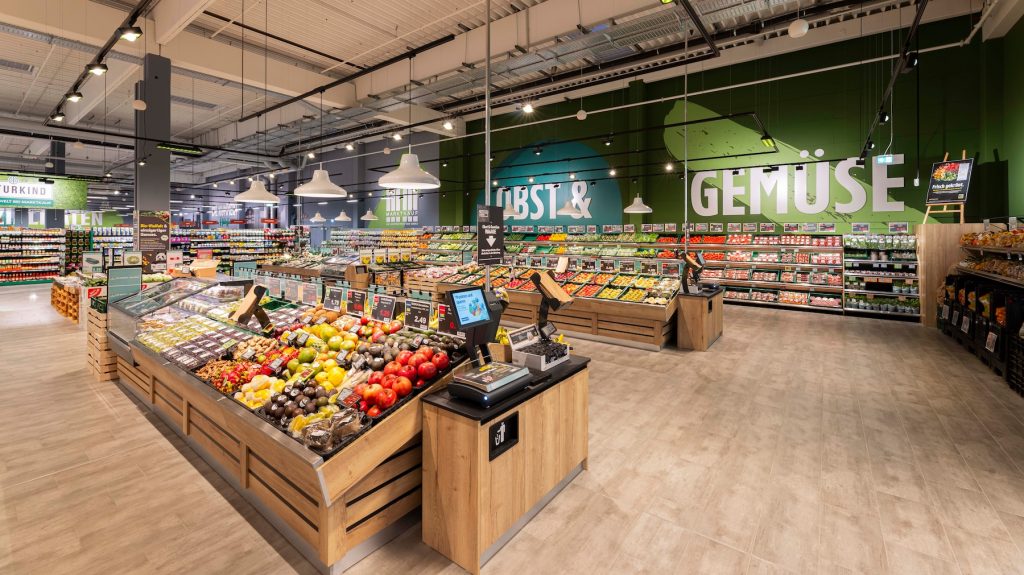
At the same time, the group continues to focus on renewing its physical network. New store modernization projects began in early 2026, with complete restylings, an expansion of the product range—particularly fresh produce and the vegan and vegetarian segments—and the introduction of higher value-added services. These initiatives also include self-service checkouts, new IT infrastructure, and technologies with a lower environmental impact, such as CO₂ refrigeration systems and enclosed furniture for greater energy efficiency.
According to analysts, these investments are consistent with market transformations, but still insufficient to provide a structural acceleration to the group's sales. The comparison with Rewe It remains indicative: in the course of 2025, Rewe continued to gain ground, supported by an improved performance in comparable sales and a more effective use of digital tools, including the app, which is now performing better in terms of engagement and frequency of use.
Overall, the German food market is expected to experience nominal growth of more than 5% in 2025, largely driven by inflation and resilient volumes at discount stores. In this context, Edeka's growth is below average, raising questions about the group's ability to translate its operational scale into greater competitive dynamism.
As 2026 begins, the emerging picture is one of solid but pressured leadership: for Edeka, the challenge remains closing the growth gap compared to the market and its main competitors, transforming investments and network renewal into a real recovery of momentum.