


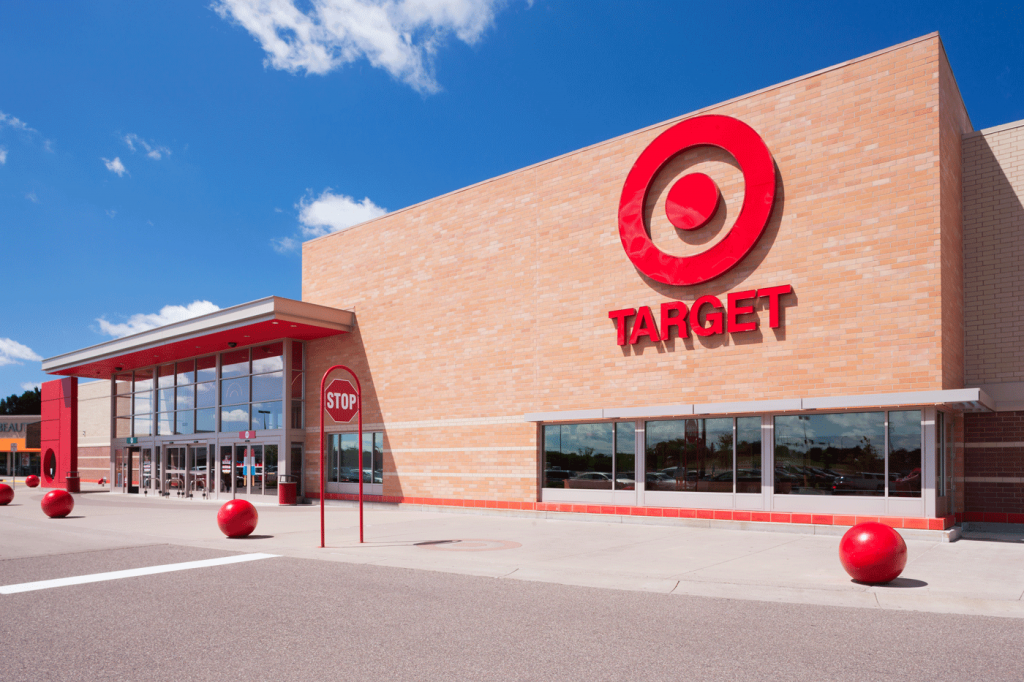
Price competition in US retail extends to clothing and home goods, with a strategy aimed at making the non-food portion of the shopping cart more accessible as well. On September 29, Target announced price cuts on nearly 2.000 items, targeting categories that are becoming particularly important with the arrival of fall and the approaching holiday shopping season. This move adds to the more than 10.000 price cuts the chain has already made in the past year.
For a European observer, the most interesting aspect is the attempt to combine affordability, renewed assortments, and own-brand recognition. Target, which operates over 2.000 stores in the United States and online, is seeking to strengthen its positioning in style and design by making everyday products less expensive. Price is thus also being used to boost the attractiveness of its offerings in discretionary categories, where families can postpone a purchase or scale back their spending.
The changes affect women's, men's, and infant apparel, as well as footwear for the whole family, with some items priced at least 20% lower than last year. Examples cited by the company include women's long-sleeved shirts, which dropped from $15 to $12, while the average price of women's shoes dropped from $40 to $35. Nearly 70% of the new offerings in this latter category are priced lower than previous year's models; for children's rain and winter boots, the average reduction is approximately 15%.
In the home section, Target is completely revamping its bedding assortment with prices that are an average of 15% lower. Threshold brand queen-size comforters are reduced from $89 to $69, while Room Essentials comforters are reduced from $50 to $40. Also part of the Threshold offering, the price of queen-size sheets from its Performance line is reduced from $55 to $50.
The involvement of these brands highlights the role of private labels in building a commercial proposition. For those following European retail, this case offers insight into how a chain can leverage its brands to combine a recognizable offering with more accessible price points. Product line renewal and price repositioning go hand in hand, with the goal of maintaining customer interest beyond the lure of a single discount.
Cara Sylvester, Target's executive vice president and chief merchandising officer, explained that customers are looking for quality products at affordable prices, and the continued markdowns aim to address this need. In the press release, the company explicitly links the initiative to the needs of families and holiday shopping preparations.
The discounts will be complemented by Target Circle Deal Days on October 6th and 7th, two promotional days reserved for members of the chain's free loyalty program. The strategy combines lower assortment prices and dedicated member events, offering additional shopping opportunities and an incentive to join the program.
The announcement demonstrates how affordability can become a cross-cutting lever, extending from everyday goods to wardrobe and home improvement products. However, it alone doesn't allow for an assessment of the markdowns' impact on Target's sales or margins: the outcome will depend on consumer response. Prices, promotions, and availability may vary between stores and the website, while Alaska and Hawaii are excluded from the initiative.