

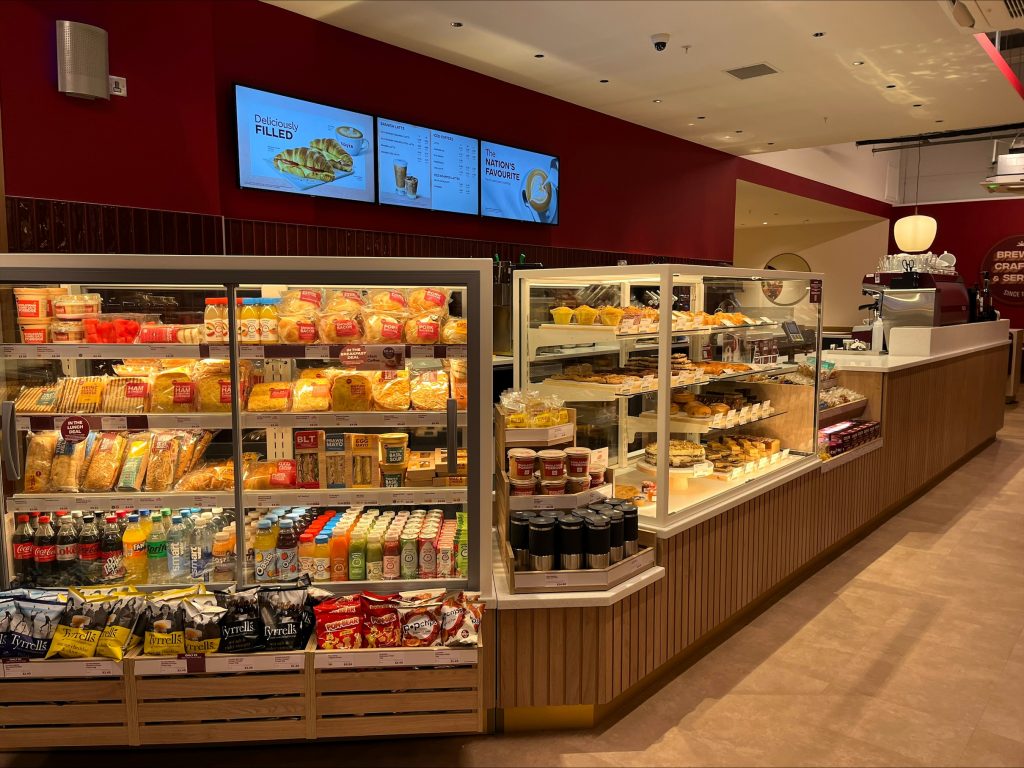
Costa Coffee has returned to operating profit after two years of losses, boosted by location renovations and a broader beverage offering. The British chain is thus responding to changing consumer habits, especially among younger customers, who are combining traditional coffee with a growing interest in matcha, iced coffee, and decaffeinated alternatives.
In the financial year ending December 2025, the company's coffee shops recorded an operating profit of £20 million, equivalent to approximately €23,6 million. This result marks a reversal of the operating loss of £13,5 million in 2024, equivalent to approximately €15,9 million, and the loss of £5,8 million reported in 2023.
The improvement compared to 2024 is therefore £33,5 million on the operating level. Revenues also grew, with a 5% increase, bringing the total to nearly £1,3 billion, approximately €1,53 billion. The return to a positive operating result is therefore accompanied by an increase in sales, at a time of evolving demand.
Contributing to the recovery are renovated stores and an expanded product range, two initiatives that allow the chain to meet increasingly diverse preferences. Coffee remains at the heart of the offering, but consumer choices are expanding to include beverages and preparations that cater to a variety of consumption occasions.
Younger consumers, in particular, are turning to this greater variety. Matcha, iced coffee, and decaffeinated options are increasingly popular, indicating that the coffee shop experience is also developing through alternatives to the usual hot cup of coffee. For operators, this trend makes it crucial to update their menus and adapt them to customer demands.
The Costa Coffee case thus offers a signal for the coffee shop sector: renovating premises and diversifying beverages can contribute to business recovery. The 2025 results demonstrate the chain's operational recovery, while evolving consumption is focusing on customers seeking a wider choice and different ways to drink coffee.