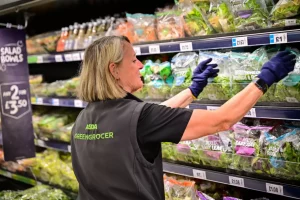



Inflation in the UK remained steady at 3,8% in August, but attention is focused on rising food prices, which reached 5,1%, their highest level in 18 months. This was highlighted by Dr. Kris Hamer, Director of Insight at the British Retail Consortium (BRC), who warned of the impact on British households.
According to Hamer, the increase is mainly due to higher labor costs and poor harvests, which have prompted retailers to revise their prices. The most worrying aspect is that food inflation is now outpacing wages, eroding consumers' purchasing power.
On the positive side, some categories contributed to containing the overall figure: transportation, clothing, and footwear saw declines, thanks in part to discounts on summer products. Furthermore, some basic necessities, such as cereals and pasta, saw their prices decrease over the course of the month.
However, families continue to feel the rising cost of their weekly shopping. "Retailers are doing their best to deliver value to customers, but they can't absorb the £7 billion in additional costs imposed this year," Hamer explained.
These costs include increased national insurance contributions, a hike in the national minimum wage, and a new packaging tax. For the BRC, the upcoming Budget represents a crucial opportunity: the Chancellor is expected to introduce a significant reduction in business taxes, "without any shop paying more." If, however, the government decides to pass on further burdens to the sector, the warning is clear: consumers will pay the price, seeing their daily spending further increase.