


British households saw a slight improvement in disposable income in May, but the overall picture remains marked by severe pressure on household budgets. This is according to Asda's latest Income Tracker, which measures the amount of money families have left after covering essential expenses.
According to the survey, the average household had £258 a week after paying bills and basic necessities, an increase of £8,28 compared to the same period in 2025. This positive sign reflects slowing inflation and moderate growth in purchasing power.
Inflation in the UK stood at 2,8%, the lowest level recorded since March 2025, thanks largely to the slowdown in food and non-alcoholic beverage prices. However, the improvement is not enough to erase the difficulties that continue to affect a significant portion of the population.
The report highlights how approximately one in five families has an average of just 12 pounds a week after covering essential expenses. The situation is even more critical for the 20% of families on the lowest incomes, who continue to experience a deficit of approximately 73 pounds a week compared to essential costs, thus failing to fully cover food, utilities, and basic necessities.
The situation is different for higher-income households, who continue to benefit from an increase in available resources. For these families, spending on essential goods represents a smaller portion of their overall budget, making them less vulnerable to price increases.
According to Sam Miley, head of Forecasting and Thought Leadership at the Centre for Economics and Business Research (CEBR), the improvement seen in May remains weak. Annual growth in discretionary income stood at 3,3%, while monthly growth was limited to 0,6%, still lower than at the start of the year.
The outlook for the coming months also remains uncertain. The labor market slowdown is putting downward pressure on wage growth, while the expected increase in energy prices scheduled for July could reignite inflationary pressures. In this context, any interest rate cuts could also be postponed until 2027.
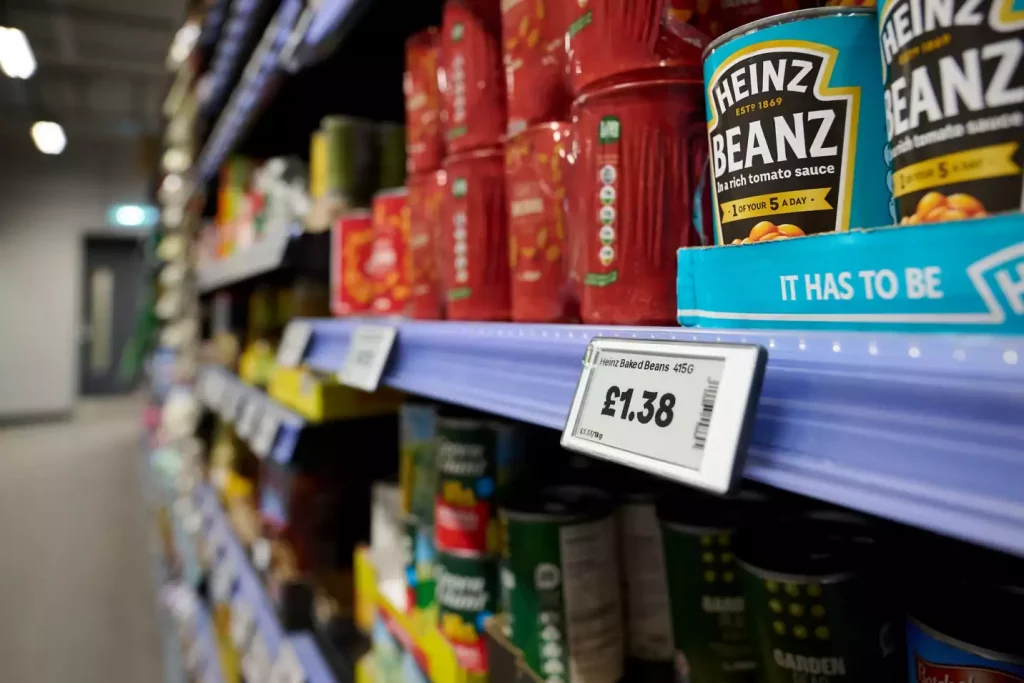
To support consumers, Asda has announced new price reductions on hundreds of staple products, including minced meat, sausages, eggs, potatoes, and canned beans. This strategy aims to strengthen the brand's position as the most affordable full-range supermarket in the UK market, as pressure on the cost of living continues to impact household spending.