

The 2026 processing tomato season in Italy ended with 6,3 million tons processed, a volume higher than last year's, confirming the country's second place in the world rankings, behind the United States and ahead of China. The increase in production, however, is accompanied by sharply rising energy costs and production difficulties that have affected both major national production areas, putting pressure on companies in the sector.
According to data released by ANICAV, the National Association of Canned Vegetable Food Manufacturers, cultivated areas have reached a total of 86.382 hectares, of which 48.313 are in the Northern basin and 38.069 in the Central and Southern regions. This expansion has contributed to an increase in processed quantities, but has not translated into a general improvement in production conditions.
The biggest impact on companies' balance sheets was the surge in energy prices. During the conversion period, the average price of gas increased by 103% compared to 2025, while that of electricity increased by 78%. These price increases directly impacted industrial processes, which are characterized by particularly high energy consumption, and transportation costs.
In the Central-Southern basin, 3,1 million tons of tomatoes were processed, concluding a campaign that began early and continued until the end of October. The particularly long processing times resulted in additional costs for companies, which were not always able to utilize their plants at full capacity, thus losing some of the economies of scale.
In the North, where 3,2 million tons were processed, the difficulties primarily affected agricultural yields, which were the worst in the last five years. Heat waves, drought, hailstorms, and limited water resources affected harvests. Added to these challenges were lower-than-expected industrial yields, with final production falling short of the initially planned quantities.
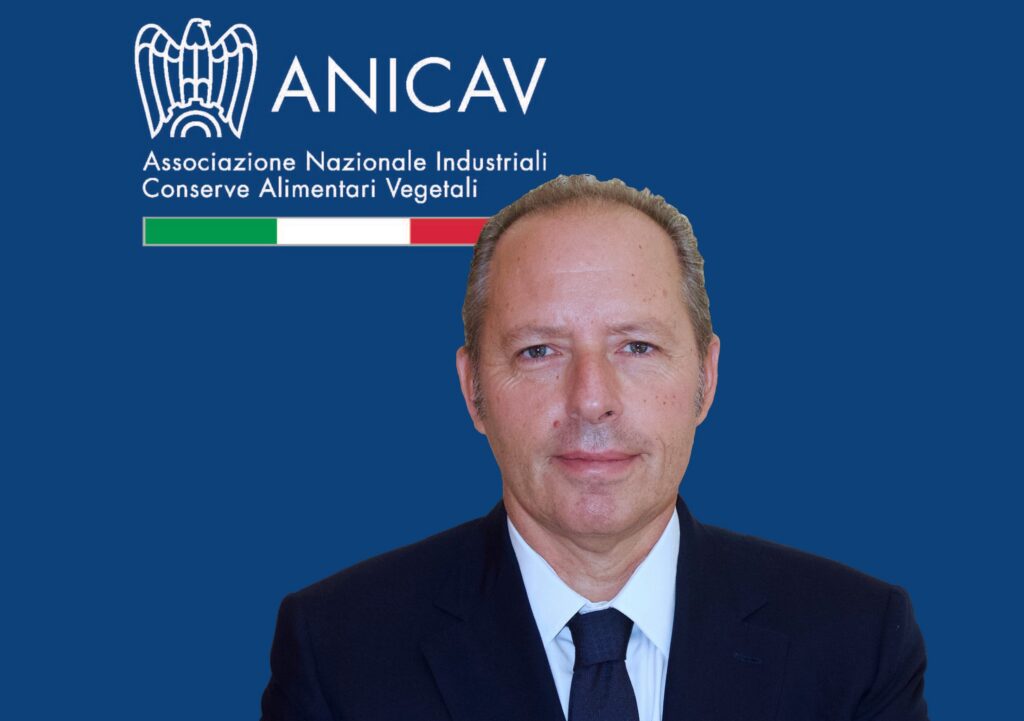
"This year's processing season was particularly long and difficult, with critical issues affecting both production areas, albeit with different dynamics," said ANICAV President Aldo Rodolfi, emphasizing how rising energy costs and tomato prices, which remain the highest in the world, have severely challenged companies.
It is therefore essential for the association to plan the 2027 campaign now, taking into account the increase in volumes recorded in the last two years and the increasingly evident effects of climate change on raw material availability and industrial organization.
The sector remains a significant player in the Italian agri-food sector, with approximately 60% of production destined for export. ANICAV member companies, which represent approximately 70% of the national tomato processing industry, achieved a total turnover of €3,7 billion in 2025.