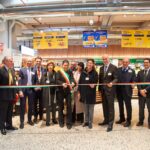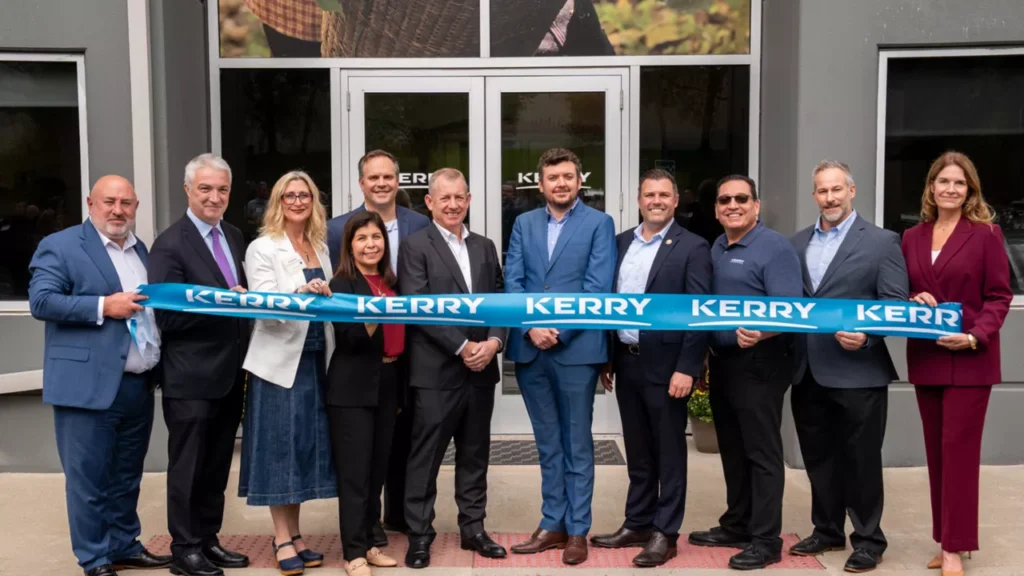
Kerry is strengthening its North American coffee business with the opening of a facility in Bethlehem, Pennsylvania, with a production capacity equivalent to approximately one billion cups annually. The site is the group's first manufacturing facility in the state and expands its extraction operations for the food and beverage industry.
The facility occupies approximately 4.515 square feet and combines roasting, hot and cold extraction, concentration, blending, and packaging. Kerry acquired the business in 2025, announcing its investment plan in September of that year. The presence of an existing coffee processing facility and the potential for increased production contributed to the choice of Bethlehem, which also allows the company to expand its offering to customers on the East Coast.
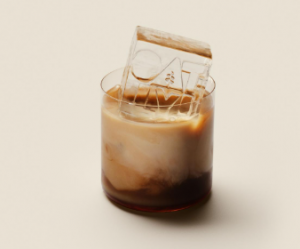
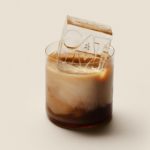
The ingredients produced at the facility will be used in a variety of categories, from ready-to-drink coffee beverages to on-site products, including alcoholic beverages, ice cream, and savory sauces. Independent hot extraction and cold brew lines allow for the development of flavor and aroma profiles tailored to customer formulations, with capacity designed to grow with demand.
"The opening of our Bethlehem facility is an important milestone for our North American coffee business," said John Cahalane, president and CEO of Kerry North America. He said the site offers greater flexibility in product development and enables us to identify opportunities to reduce supply chain complexity and environmental impact.
The investment is part of a US market increasingly oriented toward premium coffee. According to National Coffee Association data cited by Kerry, 48% of American adults consumed specialty coffee the day before the survey, compared to 39% who drank traditional coffee. The 2026 trend analysis by dunnhumby, based on over 50 million consumers, also signals a shift toward higher-end products, including ready-to-drink formats, despite rising prices.
For industrial customers, Kerry focuses on ingredients that maintain a flavor similar to freshly brewed coffee while remaining shelf-stable without refrigeration. In the foodservice industry, the solutions offered allow for expanding the menu with cold milks, espresso-style drinks, cold brews, and functional products, reducing the need for dedicated equipment and barista training.
On the logistics front, concentration at 23–30 degrees Brix and ambient temperature transportation reduce the amount of water handled and the need for cold chains. Kerry claims carbon footprint reductions that vary depending on the solution and the comparison, including 40% compared to competitors' conventional offerings and 34% compared to refrigerated Brix products.
The facility will use natural ingredients from sustainable sources, in line with USDA Organic, Fairtrade, Rainforest Alliance, and Café Femenino standards. The opening consolidates the group's manufacturing presence in the Lehigh Valley, linking its coffee expansion with greater process integration and the availability of solutions for multiple food market segments.