Lidl GB closed the financial year ending February 28, 2026, with a turnover of £13 billion, up 10,8% from £11,7 billion the previous year, and operating profit up from £314 million to £345 million. The results, released on October 5, accompany a new expansion plan that includes over 50 new store openings in the current financial year, as part of a £600 million investment.
Growth was primarily driven by increased store traffic: the discount retailer recorded 43 million additional visits and an increase in sales volume of 486 million products. Demand focused on key food categories, from meat and poultry to fruits and vegetables, while sales of the Deluxe range increased by 12%.
According to company data, Lidl also captured over £650 million in spending shifted from competitors. This achievement is consistent with a commercial strategy focused on pricing, network growth, and strengthening digital loyalty tools.
During the period, the group allocated £315 million to price reductions and promotions, including "Pick of the Week" offers. At the same time, Lidl Plus users grew 23% year-on-year. For 2026, the brand plans further investment in the app, with a 60% increase in resources for personalized coupons and the introduction of Lidl & Go.
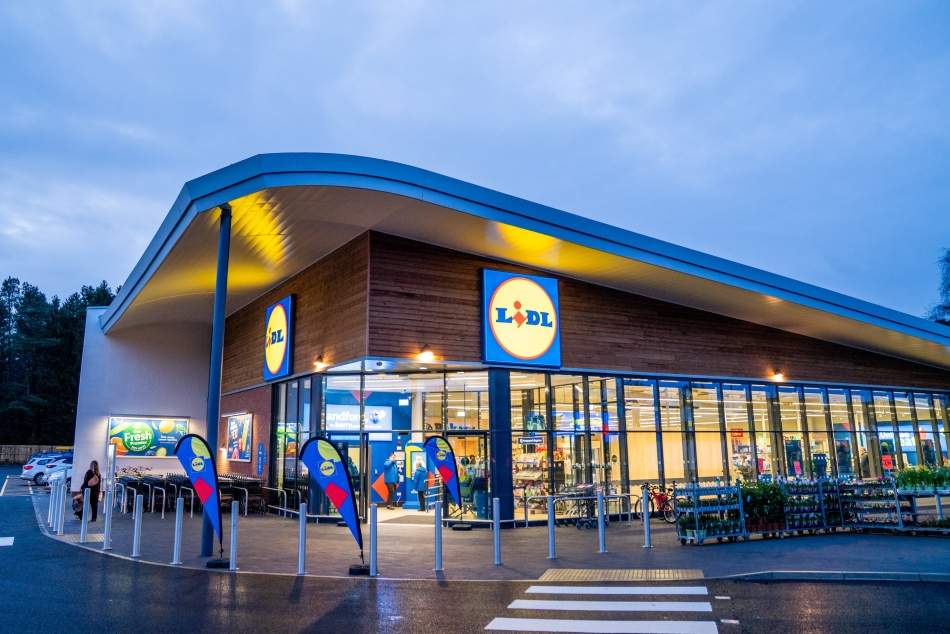
Network expansion has led Lidl GB to reach the milestone of one thousand stores. Over 40 stores were opened during the year, while £43 million was spent on modernizing more than 70 existing facilities. The improvements included product layout, expanded freezers, self-checkout, and the installation of more efficient lighting and refrigeration systems.
Another aspect concerns relations with the British agri-food sector. Spending on local suppliers increased by £400 million, with the most significant growth for fresh meat and poultry, up 15%. Approximately two-thirds of products come from British suppliers, including all beef, pork, chicken, milk, butter, cream, and eggs from the regular own-label line. Lidl also announced a sourcing commitment of £30 billion over five years.
On the staff front, the company has invested a further £59 million in pay increases and doubled paid paternity leave from two to four weeks, rising to eight weeks after five years of service.
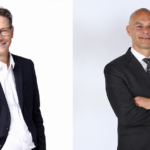
For CEO Ryan McDonnell, the results reflect customer confidence and employee hard work. In May 2026, Lidl became the fifth-largest grocery retailer in the UK: according to the company, three out of five households now shop in its stores.