Over the past few years, the plant based has consolidated its presence in Latin America, transforming from a niche to a structured segment of the food and beverage offering. New products, dedicated menus, and promotional initiatives are helping to reshape the restaurant and retail landscape, capturing growing demand for health, sustainability, and gastronomic experimentation.
The regional data collected by Vegan and from the platform HappyCow indicate that between 2023 and 2025, vegan and plant-based restaurant options in Latin America increased by 20%, from 10.834 to over 13.000 locations including restaurants, dedicated menus, and specialized formats. This expansion reflects the growing interest of urban consumers and the greater availability of raw materials and industrial solutions.
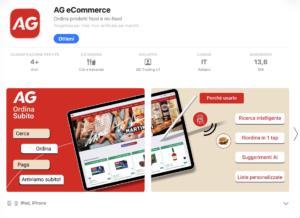
The push comes from multiple channels. Delivery and e-commerce play a central role: platforms like OrdersYa e Uber Eats They've expanded their range of plant-based dishes and products, making them more accessible and visible. PedidosYa, in particular, recorded tens of thousands of plant-based orders in 2025, a sign that consumption is no longer limited to specific periods or campaigns, but is becoming a daily habit.
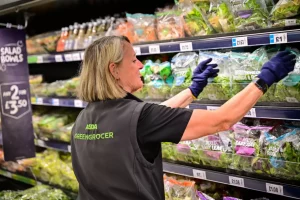
Large-scale retail trade and food brands are also investing in the segment. Groups such as Jumbo, along with food tech like NotCo, are strengthening their offerings of plant-based alternatives, ranging from meat substitutes to plant-based dairy products and ready-made meals. At the same time, restaurant chains such as Melt Pizzas They experiment with plant-based recipes and ingredients to reach a wider audience, not necessarily vegan.
«Plant-based is no longer perceived as a temporary phenomenon, but as a stable component of food evolution», observes Mauricio Serrano, underlining how the choices of large companies have a multiplier effect on the entire ecosystem, from production to distribution.
On the local front, numerous national companies are using promotions and new launches to accelerate segment penetration. In Chile and Peru, collaborations between restaurants, delivery apps, and plant-based alternative brands are growing, such as Beyond Meat e Gardein, while in Mexico specialized retailers such as Mr. Tofu they focus on promotional formulas to attract new consumers.
Overall, plant-based in Latin America is emerging as a driver of innovation for the food industry, capable of combining new consumer needs, product experimentation, and omnichannel strategies. This trend suggests that the future of food in the region will be increasingly hybrid, flexible, and oriented toward plant-based proteins.