

Concerns about supply prospects, fueled by adverse weather conditions, tensions in the Middle East, and logistical difficulties in the Black Sea, are pushing up world food prices. In August 2026, the FAO Food and Agriculture Organization (FAO) Food and Agriculture Index, which measures monthly changes in international prices for a basket of food commodities, stood at 133,3 points, up 1,9% from the revised July figure and 2,5% year-over-year.
According to FAO Chief Economist Maximo Torero, the increase signals the return of a "risk premium" in food markets, where climate shocks, geopolitical tensions, and trade barriers are dampening supply expectations. The Cereal Price Index rose 2,2% month-over-month, with increases for all major crops, supported by robust import demand, crop concerns, and uncertainty over trade routes.
International wheat prices rose 2,6% compared to July and 15% compared to the same month in 2025, primarily due to ongoing difficulties in exports via the Black Sea, lower production prospects in much of Europe, and the weakening of the US dollar. Corn prices rose 2,5% on the month, driven by yield concerns in some parts of the United States, worsening forecasts in the European Union, strong demand from the feed and ethanol sectors, and disruptions affecting production inputs and flows from Ukraine.
The FAO rice index rose 0,5%, supported by purchases by Asian and African countries. Vegetable oil prices also rose 1,1%, driven by higher palm and soybean oil prices, boosted by international demand and concerns about El Niño's impact on Southeast Asian production.
Conversely, rapeseed and sunflower oil prices decreased slightly, thanks to expectations of abundant supply over the next year. The meat index rose 1%, with increases for poultry, pork, and lamb. In particular, high temperatures have slowed animal growth on European Union farms, contributing to the rise in pig prices.
International beef prices, however, declined, as China's import quota allocation intensified competition between Brazilian and Australian exporters seeking alternative markets. The dairy index rose 2,3% compared to July, primarily due to reduced milk supplies in the European Union, impacted by hot and dry weather.
The sharpest increase was seen in sugar, where the index jumped 11,9% in a single month. The surge was driven by expectations of lower beet yields in the European Union, El Niño concerns in major Asian producing countries, lower Brazilian production, and India's decision to allow duty-free imports of raw sugar.
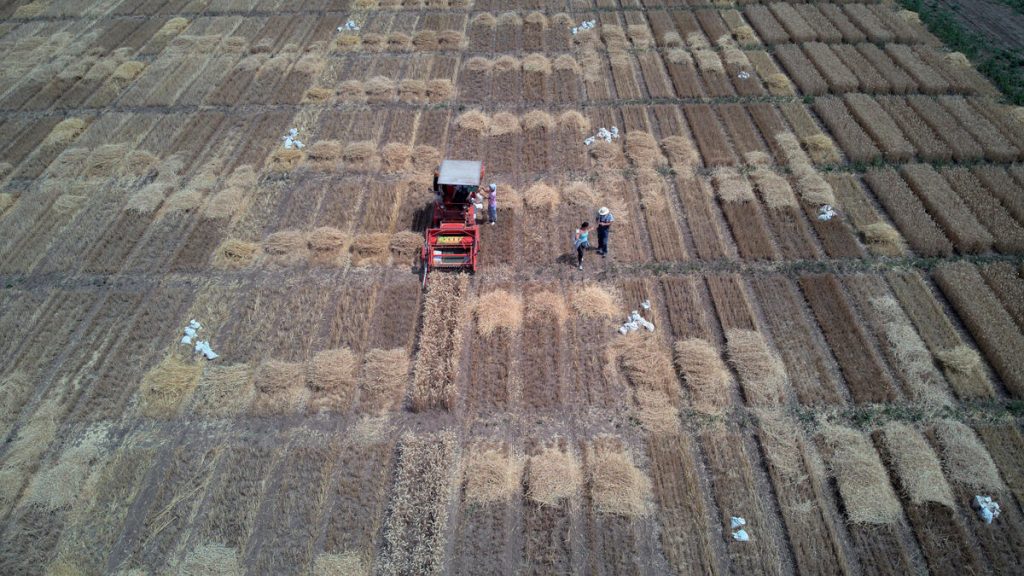
At the same time, the FAO revised its forecast for world cereal production, forecast at 2,98 billion tonnes in 2026, 2% below the record high of 2025 but still the second-highest on record. Global maize production is now estimated at 1,309 billion tonnes, following worsening prospects in France and Poland, only partially offset by better-than-expected yields in Argentina and Brazil.
The wheat forecast has been raised to 810,7 million tonnes, 3,8% lower than 2025 but still the second-largest harvest ever. World rice production is expected to decline to 553,1 million tonnes, a 1,9% decrease in the 2026/27 season compared to the previous year's all-time high. The FAO forecasts total cereal utilization to reach 2,965 billion tonnes, up 0,2%, while stocks at the end of the 2027 crop year are expected to rise slightly to 947,2 million tonnes.
The global stock-to-use ratio is expected to reach 31,6%, down from 31,9% the previous year, a level that still indicates a relatively comfortable supply situation by historical standards. International cereal trade, however, is expected to decline from record levels, reaching 509,3 million tonnes in the 2026/27 season, while, according to the AMIS system, futures markets are generally bullish for major crops.