
Italy now imports almost as much honey as it produces, while the domestic beekeeping sector continues to contend with the consequences of climate change, increased foreign competition, and wholesale prices that are often insufficient to cover costs. In 2025, Italian production stood at around 31 tons, compared to over 26 tons imported, an 18% increase. Against this backdrop, Conapi, the National Beekeepers Consortium based in Monterenzio, Bologna, closed the 2025-2026 crop year with a turnover of €24,5 million and a 20% increase in exports in both volume and value to the French and Japanese markets.
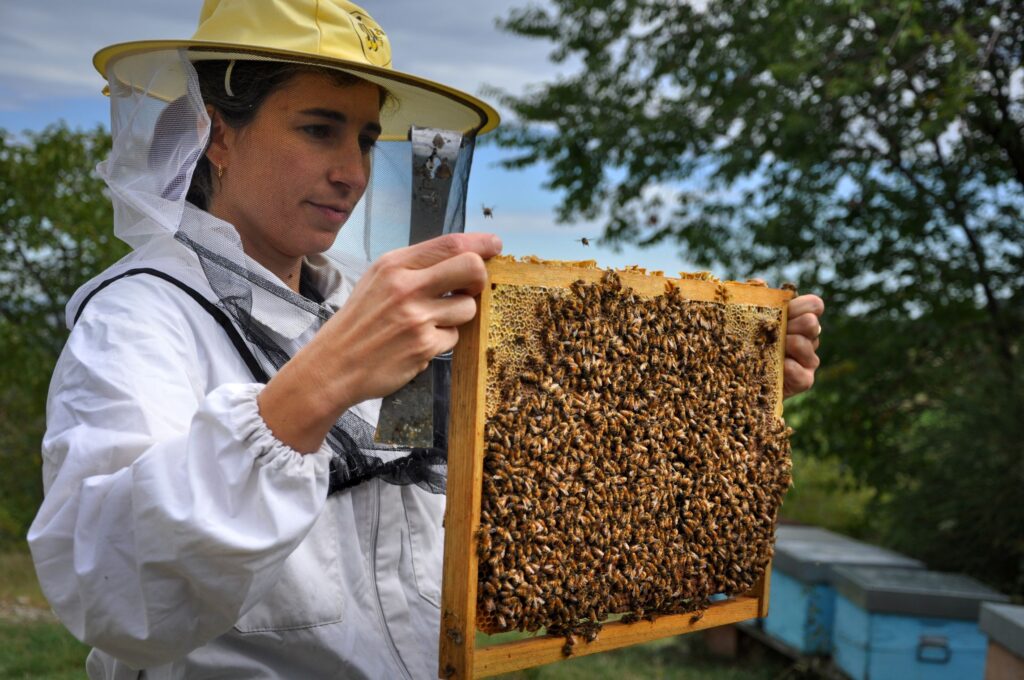
The cooperative, considered the largest European beekeeping organization, brings together over 600 producers, with 100 hives and approximately 5 billion bees. Members' production for 2026 is estimated at over 2 tons, essentially in line with the previous year, despite weather conditions that penalized many crops. While the acacia harvest showed signs of recovery, the citrus harvest was particularly poor, while chestnut, forest honeydew, and summer wildflower honey were affected by unfavorable weather conditions.
Production difficulties are accompanied by a complex market situation. According to NielsenIQ data, over the last 52 weeks, the Italian honey market has reached a value of over €157 million, recording a decline of 0,8% in value and 2,4% in volume. The Mielizia brand bucked the trend, achieving growth of 2,8% in value and 8,6% in number of packages sold. The 100-gram Sportpocket performed particularly well, recording a 42% increase in value, becoming the brand's third best-selling product.
The imbalance between prices and production costs is also weighing on the sector. Wholesale prices for wildflower honey, around €4 per kilogram, are lower than operating production costs, which exceed €6,4 according to CREA data. This problem is compounded by competition from imports and the risk of adulteration, which European institutions have initiated specific monitoring activities.
"In a context where transparency and authenticity are essential, it is our duty to protect the intrinsic value of honey, fight fraud, and promote informed and responsible consumption," emphasizes Nicoletta Maffini, general director of Conapi, highlighting how Italian honey is still not adequately promoted in large-scale national distribution.
Possible support comes from new European labeling regulations, which require the countries of origin of blends and their respective percentages to be indicated on the front of packaging, although some exemptions are permitted. Conapi hopes for further progress and is looking to the national regulations. Certified Quality Honey, the European examination of which ends on October 14, with specific requirements on processing and traceability.
At the same time, the consortium aims to strengthen its international presence, especially through organic products, with new commercial opportunities in Canada and South Korea. On the Italian market, Mielizia also presented its new positioning From the flower to you, accompanied by a packaging revamp and a campaign dedicated to member beekeepers, with the aim of promoting the Italian origin and the cooperative supply chain.