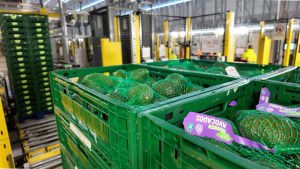


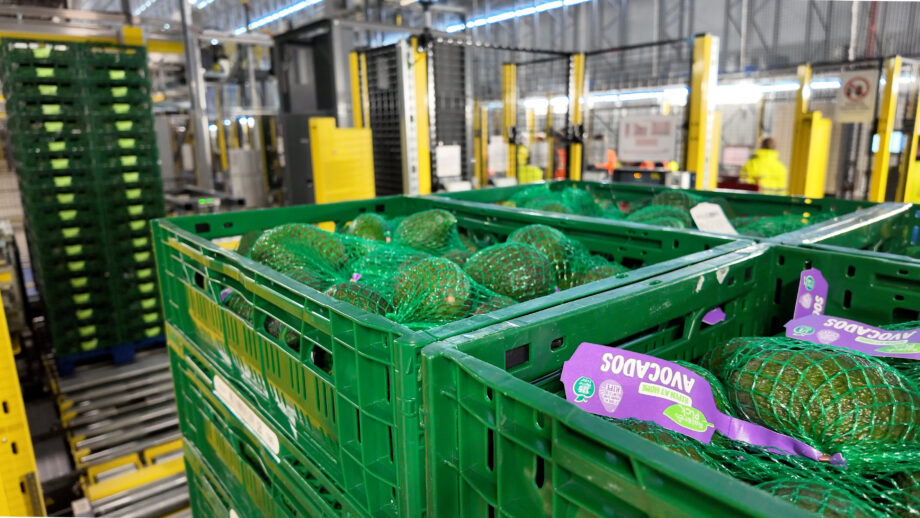
Aldi has begun handling fruit and vegetables at its Bardon distribution center in Leicestershire, marking a new phase for what the company calls the largest automated supermarket warehouse in the UK. The first pallets, containing ginger and avocados, among other items, arrived on September 16; the first shipment to stores departed the following day.
The site began operations in May 2026 and required an investment of over £500 million, part of Aldi's £1,6 billion UK investment plan for 2026-2027. The facility covers approximately 121 square meters and features 19 solar panels on the roof. According to the company, it is the least carbon-intensive warehouse in the Aldi Süd group.
At full capacity, expected in 2027, during peak periods, Bardon will handle over 1,5 million kilograms of fruit and vegetables daily. More than 6 pallets of fresh produce will be shipped daily to UK stores. The center's overall capacity will reach nearly seven million pallets annually, and approximately one thousand people are expected to be employed.
Fresh produce is managed across three temperature-controlled areas, including a refrigerated unit for products like apples and carrots and a dedicated area for bananas. In the refrigerated area, pallets are placed on high racks and retrieved for shipment by automated shuttles. The technologies provided by Cimcorp are designed to expedite the movement of goods from the warehouse to the stores, meeting the varying storage conditions required, including for salads and berries.
The investment expands Aldi's logistics network capacity as the retailer aims to reach 1.500 stores in the UK in the long term. The size of the deal reflects the share of fruit and vegetables in its sales: Aldi reports selling an average of 2,2 billion units of fruit and vegetables annually, including over 300 million bananas, 80 million apples, and 160 million potatoes.
In July 2026 alone, according to company data, Aldi sold 2.250 tons of British apples. The stated goal is to increase fruit and vegetable portions sold by 14% by the end of 2027. For Jonathan Heaton, regional manager of the Bardon hub, the challenge is managing large volumes while reducing transfer times from suppliers to stores: a crucial step for products whose freshness depends on speed of distribution.