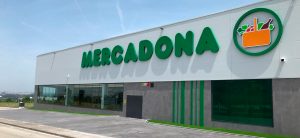



Mercadona continues to dominate the Spanish food retail market, but the gap with its main competitors is not widening, and some operators are strengthening their position thanks to changes in household purchasing habits.
According to data from Worldpanel by Numerator for the first eight months of 2026, the Valencian brand reached a market share of 27,4%, a value essentially equivalent to the combined shares of its five largest competitors: Carrefour, Lidl, Eroski, Dia, and Consum.
Mercadona's leadership remains very broad, but compared to the same period in 2025, its share increased by just 0,1 percentage points, while the number of consumers who frequented its stores decreased by 0,8 points.
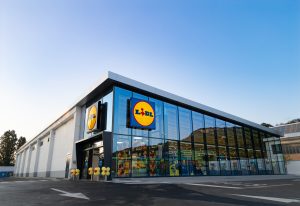
The biggest gainers were Lidl, Dia, and Consum, which capitalized on Spanish consumers' growing interest in prices, promotions, and the ability to split spending across multiple retailers. Lidl increased its market share by 0,4 percentage points, while Dia and Consum both increased by 0,3 points.
Worldpanel by Numerator links these findings to two increasingly evident trends in a context marked by rising product prices and economic uncertainty: shopping cart fragmentation and the increased use of promotional offers. Spanish families tend to visit a greater number of supermarkets, choosing the cheapest retailer or the one offering the most attractive promotions.
Dia benefited particularly from this behavior, recording a 1 percentage point increase in the number of shoppers and a 12,7% increase in visit frequency in the first eight months of the year. Consum also expanded its customer base, with a 1,6 percentage point increase in the number of people shopping in its stores.
For Lidl, however, consumer perception is changing, as they increasingly view the brand not just as a destination for selective or promotional purchases, but as a supermarket where they can complete their entire grocery shopping. "All this is allowing Lidl to gain ground among large carts and families with children, traditionally one of Mercadona's strengths," explained Bernardo Rodilla, retail business director of Worldpanel by Numerator. Competition is also being played out on the growing weight of private labels, which in the first eight months of 2026 accounted for 47,3% of the total value of consumer goods purchased in Spain. Compared to the same period in 2025, the share of private labels increased by 1,4 percentage points, confirming how convenience and value for money have become increasingly decisive factors in the choices of Spanish families.