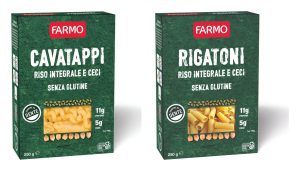


Trade tensions between Washington and Rome continue. After wine, cheese, and olive oil, Italian pasta is now in the United States' sights. The U.S. Department of Commerce has announced a new anti-dumping duty of 91,74% on imports from Italy, adding to the 15% already in place, bringing the overall tax rate to 107%. The measure, which could take effect in January 2026, is the result of a periodic review requested by competing U.S. producers.
The investigation involved 18 Italian companies, but the focus was on La Molisana and Garofalo, accused of failing to provide sufficient documentation. A dumping margin of 91,74% was applied to these two companies, which was later provisionally extended to all other pasta manufacturers, including well-known brands such as Barilla, Rummo, and Sgambaro.
Political and diplomatic reactions were immediate. Agriculture Minister Francesco Lollobrigida, visiting the U.S., called the measure "unjustified protectionist," assuring the Italian government's commitment to prevent its implementation. The Italian Embassy in Washington and the Ministry of Foreign Affairs have initiated direct contact with the Department of Commerce.
The manufacturing community has unanimously condemned the decision. Luigi Scordamaglia, CEO of Filiera Italia, called it "arbitrary and lacking objective basis." Ettore Prandini, president of Coldiretti, called it a "death blow to Made in Italy," noting that pasta exports to the United States are worth €671 million annually.
For Cristiano Laurenza, secretary of the Pastai di Unione Italiana Food (Italian Food Union), "this is a political attack on the symbol of our gastronomic identity. A strong and coordinated response from Italian and European institutions is needed."