

Italian food exports to Latin America they experience one of their best moments, with growth of two digits in 2024 and a volume greater than 25.000 million euros by 2023. The strong impulse of emblematic categories as pasta, coffee, bread products and chocolate it has strengthened the position of Made in Italy in supermarkets and in the horeca channel of the region, supported by a sustained demand and in the consolidation of international gastronomic establishments. Meanwhile, Spanish products are also advancing in Latin America, although the market has less weight than the total exported to Spain and beyond crecimiento es más irregular, with caídas in volume during part of 2024 weighs on the expansion into selective segments such as olive oil, roast vegetables, legumes and foods with a designation of origin.
El The emotional and cultural attraction of Italian cuisine continues to be a decisive driving force. The Turismo Global has strengthened the association between Italy and culinary quality, which explains the solidity of categories such as dry pasta, which maintains especially high growth rates in markets such as Brazil, Mexico and Argentina. In 2024, Mexico and Argentina recorded increases of more than 50% in imports of Italian pasta, while Colombia, Uruguay and Paraguay showed advances of between 20% and 50%. Venezuela and Paraguay stand out as markets where imports are growing at an ever-accelerating pace, driving a continuous regional expansion phenomenon.
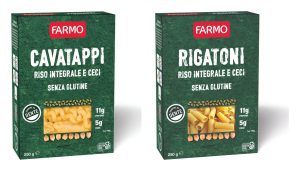
This growth takes place in a diversified commercial structure. Supermarkets and hypermarkets are now the main channel for Italian pasta, especially for global brands such as Barilla, De Cecco or Granoro, while gourmet shops boost premiumization with artisanal and regional products. The horeca channel — Italian restaurants, hotels and catering — provides an strategic framework to support recurrent consumption outside the home, at the same time that the electronic trade is gaining traction in young and urban segments that seek variety and convenience. This combination has allowed Italian pasta to conquer new audiences and consolidate its presence in highly competitive markets.
One of the most relevant exchange rates in the Latin American market is the progressive democratization of the price of Italian products. The entry of second line brands and family businesses with greater operational flexibility has allowed us to reduce costs and offer accessible options without compromising quality. At the same time, large retail chains have increased promotions and family formats, making it easier for the Latin American middle class to incorporate Italian products into their regular purchases. Although the leading brands maintain their premium position, Made in Italy is now less exclusive in price and more present in the massive gondola that has only been around for five years.
The advances of your brands refute this trend. Countries such as Colombia, Mexico and Ecuador lead the adoption of private labels, with participations of 28% to 32% of the total food volume. In this geography, supermarkets have begun to incorporate pastas, sauces and preserves of low Italian origin into their own brand, encouraging the consumer's perception of quality and growing sensitivity to price. Although Brazil maintains greater resistance due to the strength of its leading brands and the lesser expansion of the emerging format, the development of white brands with Italian products advances progressively in the region.
La The comparison between Italy and Spain shows a clear contrast: while Italy experiences a robust, diversified and emotionally charged expansion cycle due to its gastronomic identity, Spain records a more segmented and dependent behavior on key categories such as olive oil, wine or roast. The following opportunities exist for Spanish exports, especially in products with designation of origin and in markets where gourmet consumption is expanding, However, the strategic weight of Latin America in the export policy of both countries is now much more significant for Italy than for Spain.
At a time when Latin America was looking for options of quality, tradition and accessible price, Italy was able to combine the three elements with an offer that grows in volume and value. All this indicates that Made in Italy will continue to strengthen its presence in the region, encouraged by consumers who adopt it every day more globally and for retailers who sell Italian products an opportunity to improve their brands and differentiate their portfolio.