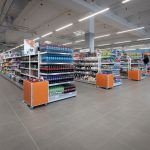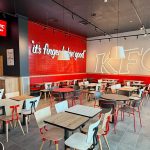


In the North-West of Italy, Nova Coop it is not only one of the main consumer cooperatives adhering to the system Coop ItalyRather, it is an actor with a long and recognizable history, which over the years has built a distribution model based on territorial presence, a mutualistic dimension, and experimentation with diverse formats, capable of engaging with diverse audiences and needs.
From the large spaces of the hyper and super network to urban formats, up to more hybrid projects such as the concept store that combines retail and catering, Nova Coop has chosen not to rely on a single formula, but to work on aa comprehensive offering, capable of adapting to the characteristics of the territories and the evolution of consumer lifestylesThis structure is complemented by complementary services—from fuel to e-commerce—that complete an increasingly integrated ecosystem.
In a context marked by the rise of discount stores, declining purchasing power, and a more cautious and fragmented consumer, Nova Coop has maintained a clear focus: placing value for members and the community at its core, strengthening the role of branded products, enhancing the perception of convenience, and focusing on quality, distinctiveness, and service.
The complete analysis of Nova Coop's financial statements, including details on revenue, margins, financial structure, and regional comparisons, is available in the full article reserved for GDONews Premium subscribers. The document includes graphs, tables, and indicators developed by the GDO Data Research Department through the Trend Market platform.
FIND THE FULL ANALYSIS ON GDONEWS
The income statement: volumes defended, margins under pressure
The profit and loss statement reflects a conscious strategic choice. As is the case with other Italian retailers, revenue growth and sustained volumes do not automatically translate into improved margins. The shift toward low-price policies, promotional campaigns, and the absorption of costs along the supply chain have progressively compressed operating margins.
This scenario is the result of a precise positioning: maintaining the accessibility of the offering and the connection with its members, even at the cost of profitability. This choice now requires greater attention to efficiency, process rationalization, and the ability to identify new levers of value.
The balance sheet: solid structure and investments over time
From a financial perspective, Nova Coop continues to stand on solid foundations. The significant weight of structural and real estate investments demonstrates a long-term strategy, in which the physical network remains a key asset for local presence and community relations.
At the same time, the financial structure is gradually being rebalanced, with greater attention paid to the ratio of equity to debt. This structure helps strengthen resilience in an unstable environment and absorb potential external shocks, while maintaining flexibility and operational continuity.
Nova Coop's journey highlights an increasingly central dynamic in contemporary large-scale retail: how to evolve without losing its identity. On the one hand, the need to respond to new market trends, competition from discount stores, and the push toward omnichannel. On the other, the desire to preserve a mutualistic mission based on inclusion, convenience, and social value.
It is in this balance, sometimes uncomfortable but profoundly coherent, that the future of the cooperative is at stake: not only as an economic operator, but as an active player within the communities in which it operates.