


This article was developed by the team of Food Retail Italy, official representative of the international fairs Cibus y TuttoFood Milan in Latin America.
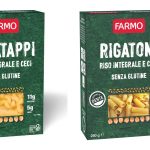
The consumption map in Latin America is changing with unexpected rapidity. During the decades, great manufacturers dominated the market thanks to their faith, innovation and perception of quality. However, the combination of inflation, new digital habits and more aggressive strategies of minors is giving rise to a more influential protagonist: their own brand.
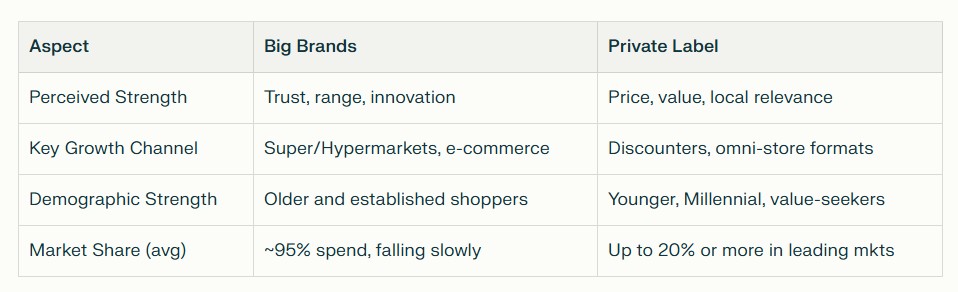
The growth is eloquent. On a global scale, the distributor's brands increased in value by 5,6%, in Latin America the expansion reached 14,2%. In countries like Colombia, they exceed 20% of gas in terms of mass consumption, while in Brazil — to date the historical sources — they barely account for 1%. In the meantime, one of every five products that enter today in a Latin American shop bears the signature of a minor brand.
Economic pressure is the most visible engine of this gearbox. The price increase has converted it value for money in an imperative and has weakened the old prejudice of which their brands are synonymous with less quality. In categories such as preserves, vegetables or cleansing products, consumers are therefore recommended as alternative vegetables or even their favorites.
The response of the big brands is not to be expected. To maintain their relevance, they refute the communication of value, they accelerate innovation and, in some cases, they explore exclusive insights or co-branding with your own minors. Gondolas have been converted into a terrain of strategic negotiation, where the loyalty of the consumer and the physical space along the lines are at risk as valuable as they are.
The behavioral data are revealing. Although industrial brands retain more than 95% of total FMCG gas, younger generations — Millennials and Gen Z — show a growing willingness to try and adopt their brands. Among mayors over 55 years old, 88% recognize a good quality-price relationship in them, but the true scale of growth is among young consumers, who do not come as second options, even as intelligent and sustainable elections.
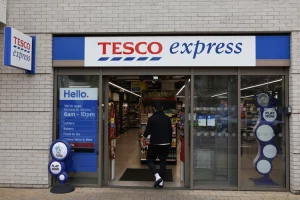
The differences in countries refute the idea of a different region. Mexico, Chile and Colombia will lead the adoption of their own brand, while Brazil and Argentina maintain a stronger emotional bond with their traditional brands. As far as the canals are concerned, the growth is concentrated there discounters and convenient formats, where the price and proximity weigh more than the prestige of the label.
Ultimately, Latin America is writing a new era in the relationship between manufacturers, large-scale consumption and consumers. Confiance, before the monopoly of the great names, is democratised. Your brands are not an economic substitute, but a reflection of consumers who are more informed, demanding and willing to redefine what "brand" means in the XXI century.