

The Argentine consumer of the second half of 2025 is moving within a emotional climate marked by economic uncertainty, social fear and a generalized despondency that directly influences every purchasing decision within the mass retail market; The main concerns revolve around the ability to carry out food at the end of the month, pay debts and ensure essential food, in a context where therefore inflation continues to be high, the salaries pierden purchasing power and the enjoyment of the example is maintained as a daily success.
Added to all this the return of “insecuridad” as the number one problem in various settings, even exceeding the inflation in some recent probes, while the possibility of falling into poverty or remaining in it seems like one of the most mentioned fears, especially between the middle and lower entrance doors. The trust of institutions, companies and brands aggravated this scenario: 75% of Argentinians declare they fear not being able to differentiate real news of false content, and In electronic commerce the risk of fraud predominates, These are products of poor quality, driven by the proliferation of low cost imports and by the general use of digital pages in a dangerous and unsafe environment.
The findings of the second half of 2025 converge in this diagnostic: according to Kantar, 50% of consumers have the main concern to address the assumption before the increaseYes, while national studies show that poverty raises levels of worry by 83%, corruption by 65%, insecurity by 63% and inflation by 60%, configuring a triangle of anxiety that conditions the entire gas dynamic.
This combination of tensions is immediately reflected in the purchase process with a clear defensive strategy: significant increase in promotional demand, removal of economical brands and especially sustained growth of your brands que ya representan alrededor of 21% of the total volume of Argentine FMCG, with higher peaks in sensible categories such as dry, milky and clean. This trend coexists, nevertheless, with a selective resilience of domestic consumption: products linked to family moments, basic foods and small “accessible places” retain a surprising desempeño because they function as an emotional refuge in a context of high financial tension.
Argentine retail has begun to adapt, but the intensity of these concerns inevitably leads to more profound changes. The explosion of the promotions, which you represent seeks 30% of the total value of FMCG, have an immediate response given by cadenas as Carrefour y Preserve, who have doubled the frequency of descuentos and reclamations; Nonetheless, their consumers show clear limitations: 93% say they prefer price stability before an aggressive promotion, and the credibility of storm freezes is low.
This requires a strategic turn: Changomas ya está reforzando un most models are looking for at the tactical EDLPWhile Day advances with smart packs and stable price communication in its format of proximity, trying to build a relationship of more consistent value than the simple war of descuentos. In parallel, the mayoristas Vital y Yaguar continue to gain ground offering prices at a lower 20% than the traditional supermarket, and they are the biggest beneficiaries of a consumer who visits fewer stores but makes larger and more planned purchases.
Gas polarization accelerates an even deeper transformation: the shopper combines premium products with value or private label options and uses distinct channels for distinct missions, which forces retailers to manage price levels, category roles and geographic segmentation with greater precision.
Las cadenas regionales como The Anonymous y Cordiez You are applying different strategies according to the NSE and today's market, while Carrefour is promoting a shorter and more efficient model in areas of lower purchasing power, complemented by electronic commerce which exceeds 4% of participation in its national turnover.
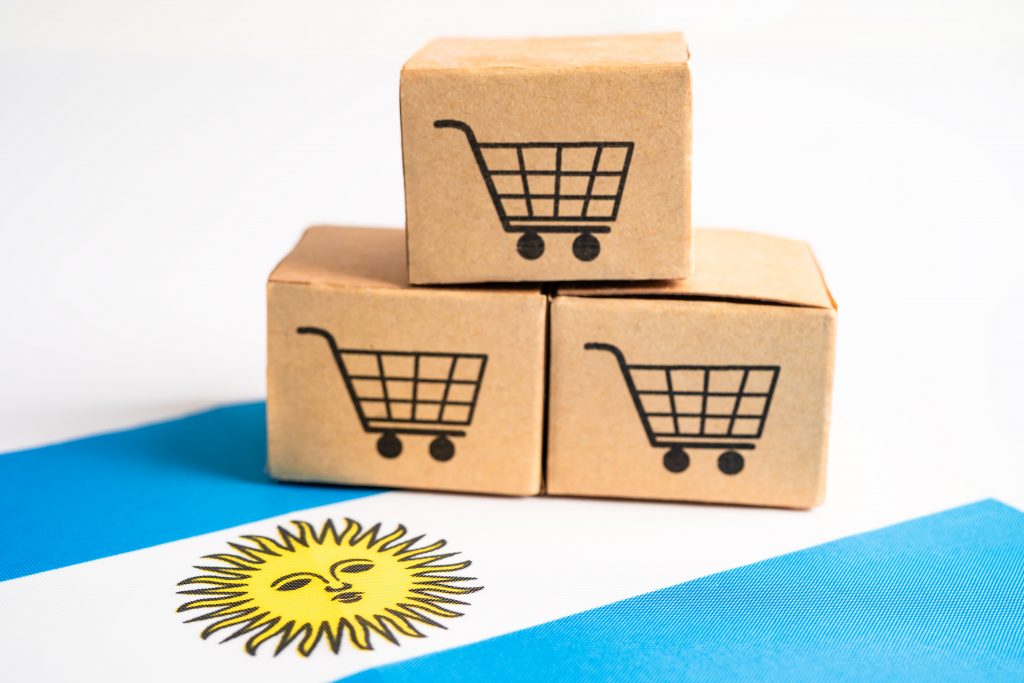
The growth of e-commerce, from the cash & carry and the proximity It involves reviewing layouts, depth of coverage and collection and delivery services to avoid worries and frustration, a critical point in a country where 40% of customers declare they have changed their stock due to poor stock in the last year.
In this context, the strategic implications for retailers and industries are clear: segmentar por vulnerabilidad if it becomes indispensable because the most affected clothes require valuable combinations that include large packs, family combos y marcas propias fuertes, while medium-high income consumers also support premium categories but with greater selection; managing the relationship as an active person who turns central in an environment where your well-executed brands – such as Great Value in Changomás, Carrefour Selection or Day – can capture structural participation because they reduce the buyer's anxiety and offer a secure perception of value; integrating convenience, variety, proximity and fluid experience will be the critical factor of success because the Argentine customer is now more mobile, less fiel, more digital and substantially more strategic than in just one year, and only those who should combine price, credibility and operational simplicity can be achieved Capitalize on this new competitive scenario.